

Recovery is not one big leap. It is a series of small steps you take each day. The most helpful addiction recovery skills are simple, precise, and repeatable. In this guide, you will learn 12 daily skills that support your mind, body, and relationships. You will learn how to handle cravings, calm strong feelings, reframe unhelpful thoughts, and build a schedule that fits real life. You will also see how sleep, movement, time spent in nature, social support, and care coordination contribute to a stronger recovery. Every section gives you easy steps to try today, plus links to trusted research and official resources. This article is written for adults in flexible care like PHP or outpatient, people in sober living, and anyone in New Hampshire searching for a rehab option that feels both clinical and caring. Practice these skills a little each day. They add up. If you want a simple daily plan that puts these skills together, keep reading and try the quick actions at the end of each section. Ready to build your recovery tool kit one day at a time? Keep reading for the 12 skills and how to start today.
1) Mindful Breathing and Awareness
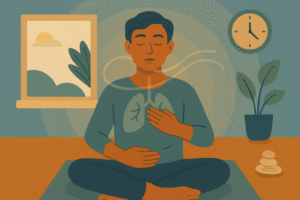
Mindfulness helps you notice thoughts and feelings without reacting to them right away. A short breathing practice trains your brain to pause. That pause gives you a choice. Mindfulness-based relapse prevention has evidence from randomized trials and reviews. It can lower heavy drinking and drug use and help you stay on track after treatment.
Try the 3 by 3 breath. Breathe in through your nose for 3 seconds. Hold for 3. Breathe out for 3. Do that three times. Name what you feel in your body. Name the thought that is present. You are not trying to fix anything. You are learning to watch and choose.
- Set a 2-minute timer and breathe 3 by 3.
- Say out loud: “I can surf this feeling.”
- Notice one body sensation, one thought, one sound.
- Use this before calls, groups, or when a trigger pops up.
2) Managing Cravings with Urge Surfing
Cravings rise, peak, and fall like a wave. Urge surfing teaches you to ride the wave until it passes. You focus on your breath and body while you do not act on the urge. Urge surfing is a core relapse prevention skill and is part of validated mindfulness programs for substance use.
Start by rating the urge from 1 to 10. Breathe. Picture a wave rising and falling. Keep rating the urge every 60 seconds. Urges almost always drop within minutes. Each time you surf, you grow your “noticing muscle.”
- Say: “Cravings peak and pass.”
- Delay by 10 minutes. Reset the timer if needed.
- Sip water while you walk for 3 minutes.
- Text a support person with only three words: “Surfing this urge.”
3) Emotion Regulation with DBT Skills
Strong feelings are normal in early recovery. Dialectical Behavior Therapy skills help you cool your body and choose a wise next step. DBT skills training has been linked to less substance use and better emotion control in trials and reviews.
Two fast tools are TIPP and Opposite Action. TIPP uses temperature, intense exercise, paced breathing, and paired muscle relaxation to bring your arousal down. Opposite Action helps you act opposite to an unhelpful urge. For example, if fear says “avoid,” you gently approach for 5 minutes.
- Hold a cool pack on your face for 30 seconds.
- Do 20 fast steps in place, then slow breathing.
- Ask: “What action fits my goals, not my mood?”
- Make a 1-card list of your top 3 DBT skills for the week.
4) Thought Reframing with CBT
Thoughts affect feelings and actions. Cognitive Behavioral Therapy teaches you to spot thinking traps and reframe them. CBT has strong evidence for substance use disorders across reviews and meta-analyses.
Use the “Catch, Check, Change” method. Catch the thought. Check the facts. Change the thought to one that is true and helpful. “I blew it, I am a failure” becomes “I had a slip. I called my sponsor. I got back on plan.”
- Write one thought. Ask: “Is it 100 percent true?”
- List one proof for and one against.
- Pick a fair thought you can believe.
- Keep a small notebook or use your phone’s note feature for daily reframes.
5) Sleep Hygiene
Sleep problems raise stress and relapse risk. Good sleep helps your brain heal and your mood balance. Research shows sleep issues are common in recovery and linked to relapse risk, and better sleep supports quality of life.
Make a simple sleep routine. Keep a steady bedtime and wake time. Cut caffeine after lunch. Keep the room dark and cool. Use your bed for sleep and intimacy, not screens. If your mind races, write worries on paper and plan to solve them tomorrow.
- Set the same sleep and wake time every day.
- Turn off screens 60 minutes before bed.
- Try a 10-minute body scan audio.
- If you cannot sleep after 20 minutes, get up, read, and try again.
6) Move Your Body Each Day
Regular movement eases anxiety and craving. It supports mood, sleep, and brain health. Exercise is a helpful add-on to treatment and can improve quality of life for people with SUDs according to systematic reviews.
Choose simple moves that fit your day. Walk, stretch, or do light strength work. Short sessions count. Three ten-minute walks can be as helpful as one long walk. Track how you feel before and after to see your gains.
- Aim for 20 to 30 minutes most days.
- Put walks after meals to reduce urges.
- Keep shoes by the door to lower friction.
- Pair movement with music or a call with a peer.
7) Nature-Based Time in Recovery
Spending time in nature can help lower stress and lift your mood. Many people find outdoor movement even more calming. Research suggests nature-based and green exercise can support mental health, with growing evidence in people in recovery. Some reviews show benefits, while others say more high-quality research is needed. The trend is promising and safe to try.
If you live in New Hampshire, you have easy access to parks, trails, and rivers. A 15-minute walk outside can reset your day. If outdoor access is hard, nature videos may still reduce stress in people with SUDs.
- Take a 10 to 20-minute walk on a tree-lined street or trail.
- Sit on a bench and notice 5 sights, 4 sounds, 3 smells.
- Try one group activity outdoors with a peer.
- Keep a photo log of places that calm you.
8) Build Your Support Circle and Communicate Clearly
Recovery grows in the community. Family and peer support are linked to better engagement and long-term outcomes. Family involvement and peer services can boost retention and reduce relapse risk.
Use simple communication tools. Practice “I statements.” Set clear boundaries. Thank people who support your change. If you attend support groups, add meeting times to your calendar. If you are in sober living, use house meetings to practice these skills.
- Text two people daily: one check in, one thank you.
- Use “I feel… when… I need…” to set a boundary.
- Schedule one support group this week.
- Make a contact list for challenging moments.
9) Boundaries and Saying No
Healthy boundaries protect your time, money, and energy. They also protect your recovery plan. Saying no to old patterns creates room for new habits. Boundaries work best when they are clear, kind, and firm.
Start with one area that drains you. Decide what you will do and what you will not do. Share your limit with a calm tone. You do not need a long reason. Practice in front of a mirror. Get feedback from a therapist or peer.
- Write one personal rule for today.
- Plan one kind way to say no.
- Choose one safe place to step away when stressed.
- Review your rules weekly and update them.
10) Relapse Prevention Plan and Trigger Log
Relapse is a process, not a single event. Planning ahead reduces risk. Evidence shows that cognitive and mindfulness tools help people recognize high-risk situations early and respond with coping skills.
Make a one-page plan. List your top triggers. Pair each trigger with a skill. Add 3 people you can call. Add an emergency step, such as going to a meeting or a safe location. Review the plan with your counselor or case manager.
- Keep a daily trigger log with time, place, and feeling.
- Match each trigger to a skill: breathe, walk, call, reframe.
- Put your plan on your phone’s home screen.
- Practice one role play a week with a peer or provider.
11) Daily Routine, Time Management, and Sober Living Habits
A steady routine lowers stress and decision fatigue. It also fills the day with healthy actions. People in sober living or outpatient care do well when they follow a simple, repeatable plan. Research on recovery housing shows benefits for substance use, employment, and justice outcomes when people live in structured, peer-supported homes.
Build a “first 3 and last 3.” Your first three might be making the bed, taking a short walk, and having a healthy breakfast. Your last 3 might be tea, stretch, lights out. Put key program times in your calendar. Protect time for self-care and for family.
- Pick one wake-up time and stick to it.
- Use a simple to-do list with the top 3 tasks.
- Place meals and movement in your schedule.
- If you live in recovery housing, attend house check-ins on time.
12) Care Coordination and Follow Through
Recovery is stronger when your care is linked. Care coordination connects therapy, groups, medical care, medications when appropriate, and community support. SAMHSA and CDC highlight case management and care coordination as best practices in SUD care. NCBI also recommends clinical linkages across mental health, substance use, and general health care.
Make a simple system. Keep all provider names, times, and addresses in one note. Confirm your next appointment before you leave the current one. If you move between levels of care like detox to PHP to outpatient, ask for a warm handoff and a written plan.
- Put every appointment in your phone with alerts.
- Keep a meds list with dose and time.
- Share releases so your team can talk and align.
Why These 12 Skills Work Together
Effective treatment attends to the whole person and integrates therapies with supportive services. National guides from NIDA and SAMHSA show that CBT, mindfulness, case management, and family involvement improve outcomes when used together and matched to your needs (https://nida.nih.gov/sites/default/files/podat-3rdEd-508.pdf), (https://www.samhsa.gov/resource/ebp/principles-drug-addiction-treatment-research-based-guide-third-edition). If you receive medications for opioid use disorder, they work best along with counseling and recovery supports, not alone (https://www.samhsa.gov/resource/ebp/tip-63-medications-opioid-use-disorder).
- Mix skills for thoughts, feelings, body, and behavior.
- Stack small habits at the same time each day.
- Use peers and family to stay engaged.
- Ask your team to coordinate care during each change in level.
Frequently Asked Questions
What if I slip?
A slip is data, not a verdict. Follow your plan. Call support. Use skills to return to your path. Many people recover after slips. The goal is to shorten the time to help and get back to your plan..
Do I need all 12 skills every day?
No. Start with two or three. Add more over time. The key is practice and consistency.
How do these skills fit with treatment?
They work best with evidence-based care and coordination among your providers. Ask your team to link services and share a clear plan across levels of care.
Final Word and Next Step
If you are seeking a New Hampshire rehab option that blends clinical strength with a warm, supportive setting, and if you want care that honors mind, body, and purpose, you deserve help that fits your life. Capital Recovery Health offers flexible, trauma-informed programs, including PHP and outpatient, with admissions support and family involvement. When you are ready to explore a plan that uses these daily skills and aligns your care across providers, visit Capital Recovery and schedule a conversation. We would be honored to help you build a life you love, one steady day at a time. If you want help today, call 603-207-4814.