

Mindfulness helps you slow down, notice, and choose. In recovery, that small pause can change a whole day. Mindfulness does not replace medical care or therapy. It works with them. Research shows mindfulness programs can lower stress and craving, and they can support relapse prevention when used with standard treatment and support from your care team.
If you live in or near Boscawen and Concord, you can prepare in simple ways. Plan a calm space at home. Practice a short breath drill. Learn trauma-informed steps so you feel safe and seen. Use local trails and parks for easy movement between sessions. Talk with your clinician if you have medical needs like opioid detox or benzodiazepine tapering, since those topics require guided care.
This guide gives you clear steps, local ideas, and science links you can share with family and your care team. You will see checklists, daily plans, and scripts for hard moments. Ready to build a simple, steady practice that fits real life and supports recovery. Keep reading.
Mindfulness for recovery in plain words
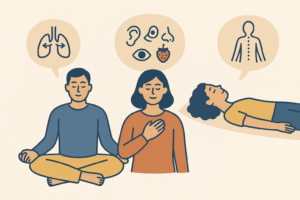
Mindfulness means paying attention on purpose with kindness. You notice a thought, a feeling, or a body cue. You do not fight it. You do not judge it. You see it, then choose your next step. This brief pause helps you implement your plan instead of falling back into old habits. Research shows mindfulness can help reduce craving and support relapse prevention when used with therapy, medicine if needed, and support from your team.
Mindfulness is not a cure by itself. It is one part of whole-person care. National guidelines suggest that the best care addresses medical, mental, and social needs simultaneously. Mindfulness can complement individual therapy, group work, and skills such as cognitive behavioral therapy. It can fit into short daily blocks so busy people can keep it long term.
- One goal: create a short pause before you act
- One rule: use mindfulness with your full care plan
- One tip: keep practices brief and repeatable
- One partner: Share your plan with a peer or family member
- One tool: write your plan on one page, and you can carry it with you
Trauma-informed mindfulness: feel safe, seen, and in control
A trauma-informed approach helps you feel secure while you learn. It uses simple choices, clear steps, and consent at every stage. SAMHSA lists six key principles that guide trauma-informed care, like safety, trust, peer support, and empowerment. These ideas help people learn skills without feeling pushed or judged.
In practice, sessions start with a short check-in. You can sit, stand, or keep your eyes open. You can skip a drill if it feels too much and choose a lighter option like counting breaths. You agree on a pause word with the group. You can ask for a shorter practice if your body feels tight or numb. These simple choices protect your sense of control and make it easier to keep going week by week.
- Choose your posture and eye position.
- Use a pause word if you feel flooded.
- Keep practices short, then build slowly.
- Ask for options that feel safer for your body.
- End with a grounding move like a five-senses check.
What to expect in a mindfulness group
Most groups follow a simple rhythm. You check in. You try a short guided practice. You share what you noticed. You learn a skill and plan a tiny step to use at home. This setup enables people to practice with peers and receive feedback they can apply immediately. Group formats in substance use care often include psychoeducation and skills practice that link the session to daily life.
A typical session might include two or three short practices. Do a three-minute breath, a body scan, and a five-senses drill. You can keep your eyes open or closed. You can change posture. You end with a brief plan for practice at home. This plan is intentionally small so you can keep it manageable on busy days.
- Arrive five minutes early and silence your phone.
- Sit where you can exit quietly if you need a break.
- Bring water and a light layer for comfort.
- Keep notes on one card, not a long journal.
- Share one small win and one challenge at the end.
How to prepare before your first session
Start with a simple breath drill at home. Sit tall. Inhale 4. Exhale 4. Do ten rounds. Write how you feel in one short line. Practice this twice a day for three days. This builds a base so group practice feels familiar. Research supports using brief, repeatable practices to build self-regulation and lower stress over time.
Plan your logistics. Put the session on your calendar. Ask a family member to cover a chore. Take a calm walk after the group to process. If you have a trauma history, write two grounding moves that feel safe. If you are in medical care like opioid treatment or a benzodiazepine taper, tell your clinician about your group plan so they can help you pace your practice.
- Breath drill twice a day for three days.
- One simple script to ask for help at home.
- Two grounding moves that feel safe for your body.
- One short walk is planned after the group.
- One note to your clinician about your new practice.
Where mindfulness fits with therapy and medicine
Mindfulness sits beside therapy, not instead of it. Use it with individual therapy and group work. National guides note that combined approaches work best. Your plan may also include medicines if needed, such as medications for opioid use disorder or medicines during alcohol withdrawal when prescribed by a clinician.
If you take medicine, tell your prescriber about new practices. Mindfulness can lower stress and help with sleep and mood, which may change how you feel day to day. It does not replace your care plan. It supports it. Share your weekly notes with your therapist so you can work together to adjust. Teamwork helps your skills stick.
- Keep therapy as your base.
- Add mindfulness in short, daily blocks.
- Share notes with your prescriber and therapist.
- Use a group to practice hard moments.
- Review your plan every Friday.
Local grounding ideas in Boscawen and Concord.
Nature helps practice feel easier. In Boscawen, the Northern Rail Trail begins near the Hannah Duston Park and Ride. It is mostly flat and open, which makes it perfect for a ten-minute mindful walk. New Hampshire State Parks lists the Boscawen access and the route details you can print or save on your phone.
In Concord, Winant Park has short, signed loops and a simple map. These trails are close to town and good for a quick reset before or after a session. The city’s parks pages offer trail maps and hiking times so you can plan a short visit that fits your day.
- Ten-minute mindful walk on the Northern Rail Trail.
- Easy loop at Winant Park or the Swope-Winant connector in Concord.
- Check Boscawen Conservation Commission for local spots and maps.
- Save water, a light layer, and a simple snack.
- Use a five-senses check while you walk.
Daily skills you will use
Breath basics. Sit tall. Inhale 4. Exhale 6. Do ten rounds. This lengthened exhale can help calm the body, allowing you to use your plan effectively. Keep eyes open if that feels safer. Short, repeatable drills help you act on skills during stress, not only talk about them in session.
Five-senses check. Name one thing you see, hear, feel, smell, and taste. This grounds your body and clears a path to your next step. Practice during common triggers, such as loud rooms or difficult conversations. Bring a small card with the steps so you do not need to think too much in the moment.
- Breath drill twice a day.
- Five-senses check during stress.
- One long exhale before you speak.
- Short body scan before bed.
- Write one win each night.
Using mindfulness for cravings and high-risk times
Urges rise and fall like waves. Mindfulness teaches you to surf the wave, not fight it. Set a timer for two minutes. Breathe and watch the wave rise, peak, and fall. Say, “This is a feeling, it will pass.” Pair this with a tiny move like stepping outside or texting a support. Trials show mindfulness-based relapse prevention can reduce heavy use days and support longer time to relapse compared with some usual aftercare, especially when paired with other supports.
If you are concerned about opioid use, mindfulness can help with anxiety and craving. At the same time, you stay on your medication plan. A recent randomized trial with people on buprenorphine found that mindfulness and an active control both reduced anxiety, with greater reductions in residual opioid craving in the mindfulness group. This suggests mindfulness can be a helpful add-on during medication treatment for some people.
- Use a two-minute timer for urge surfing.
- Pair the drill with stepping outside.
- Text one peer after the wave passes.
- Log one note about what helped.
- Share your note in the group to fine-tune your plan.
Safety corner: opioid detox and benzodiazepine withdrawal
Opioid detox is medical. National guidelines recommend medicines like buprenorphine or methadone during withdrawal and for ongoing care. This approach lowers risk and helps people stay in treatment. Do not stop all at once. Work with a trained prescriber to choose the plan that fits you. SAMHSA and ASAM offer quick guides your clinician may use with you.
Benzodiazepine withdrawal also needs medical guidance. A 2025 ASAM joint guideline provides taper options and a patient handout that you can review with your prescriber. The FDA requires boxed warnings on all benzodiazepines about risks of misuse, dependence, and withdrawal, which is why a slow, supported plan is so important.
- Never start or stop these medicines without medical advice.
- Ask for a written plan and safety steps.
- Tell your clinician about all medicines and supplements.
- Keep naloxone where adults can reach it if opioids are present.
- Use brief mindfulness only as an add-on, not as a replacement for care.
Life at home: simple scripts for hard moments
Stress can make words sharp. Scripts help. Practice when calm so they come out when you need them. Pair each script with one long exhale to slow the moment. Group therapy guides often use role-play and simple scripts to help people practice skills they can use outside the room.
Two quick scripts:
“I feel tense. I need a two-minute break. I will come back at 6 p.m.”
“I hear you. Let us breathe ten breaths. Then we will look at our plan.”
- Keep scripts on your fridge and phone.
- Use a pause word everyone knows.
- Pair scripts with a breath or a short walk.
- Repair fast with a simple apology.
- Thank each other for small efforts.
A one-page weekly plan that fits real life
Please keep it on one page. Write your group time, a tiny daily practice, and one if-then plan. Example: “If I feel a wave at dinner, then I will step outside and breathe for two minutes.” A 2021 review of goal setting in alcohol and other drug treatment found that clear, shared goals and regular check-ins help engagement and outcomes, especially when goals are small and specific.
Use Friday as your review day. Mark one win, one challenge, and one change for next week. Celebrate practice, not perfection. Maintain the same time each day for your drill so your body can learn the pattern. Share your page with your therapist so you can adjust it together.
- Sunday: set one small goal and one if-then plan.
- Monday to Thursday: practice ten minutes a day
- Friday: review and reward yourself
- Saturday: a short nature walk or calm hobby
- Repeat the cycle next week.
How Capital Recovery Health’s values match this approach
You may want care that blends skills, compassion, and evidence. Capital Recovery Health focuses on whole-person healing with trauma-informed care, flexible programs, and a calm setting near Concord. The admissions team can answer questions, help check benefits, and guide you through the first steps. At the same time, clinicians integrate therapies such as CBT and mindfulness with medical care when appropriate. You can read more on the site and the programs page. If you want help today, call 603-207-4814.